

There's been a lot of controversy running around over the web recently regarding the safety of using Silica in our cosmetics. The vast differences in the information out there can be confusing and misleading, particularly because there are companies intentionally keeping certain information regarding silica away from inquiring customers. Some companies have gone so far as to publicly ridicule customers who question the safety of their silica-based products, so we at W3LL PEOPLE wanted to provide you, the informed individual, an honest run-down of silica and it's potential dangers.
So, is silica powder dangerous? The answer is yes and no. Some of that information out there is true. Silica can cause scilicosis, a respiratory disease, if breathed in at large doses, or through prolonged exposure. But we're talking 20+ years of direct exposure, and particularly with one type of silica, crystalized silica particles, which is mainly used for pottery.
The type of silica that is used in cosmetic products is limited to a different type: spherical silica, or silicone dioxide as it is also known. This cosmetic grade mineral is where most of the confusion lies. There is some research out there indicating that cosmetic grade silica is linked to certain forms of cancer in lab animals, and because it is the 2nd most common mineral on the planet, how are we to have any sense of control over this situation?
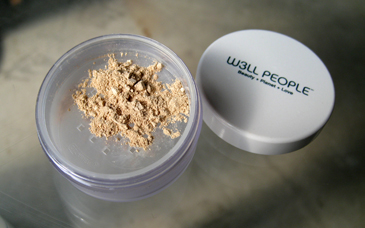
You definitely have choices when it comes to your face powder and silica. The amount of silica in your product will make a significant difference. Products with a high proportion, or that are strictly silica will put more of the mineral out into the air for you to breathe in, where as powders with less than 1% of silica kick up such a trace amount, you would literally have to go out of your way to inhale enough to be a safety concern.
At W3LL PEOPLE, we pride ourselves in keeping all of our products free of anything linked to compromising your personal health or safety, which is why our mineral powders have less than .5% silica, which is at a level that poses no threat to lung irritation, cancer, or any other ailment if inhaled. Check that label and avoid silica proportions at over 1%, particularly those which are 100% silica! Being informed of your options will allow you to get that flawless finish without compromising your consumer integrity!